This is a post about the size of a Pavements and Princes city and the sub-division within it. About how I intend to organise them to support the fractal development of the cityscape.
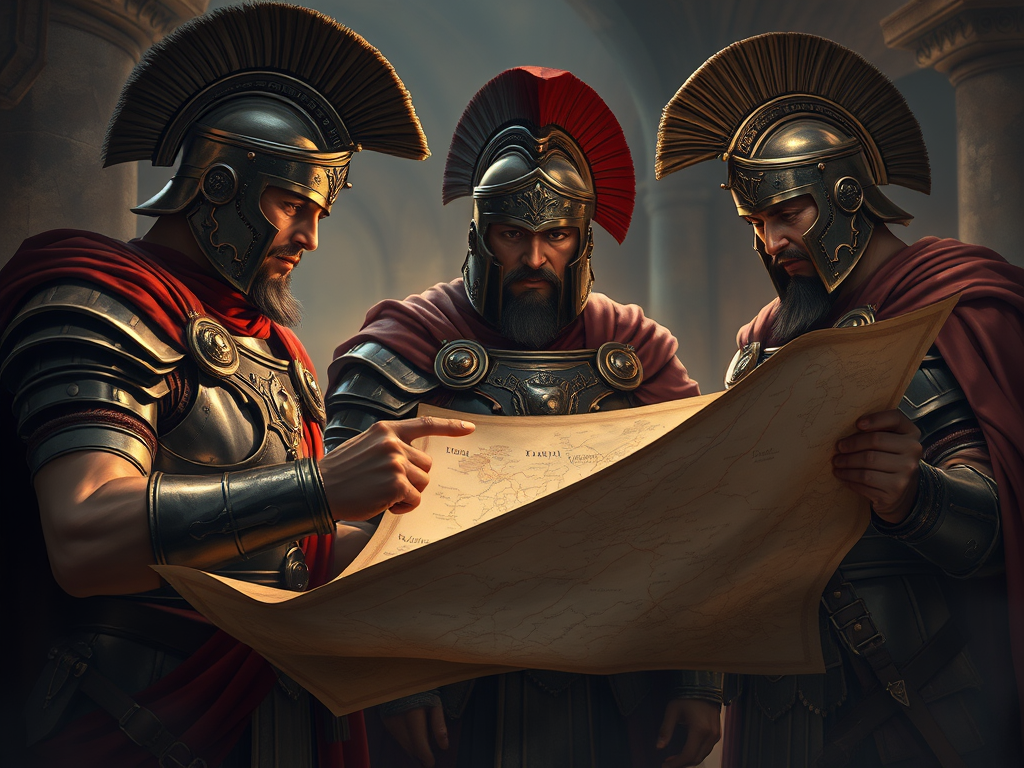
Pavements and Princes is a toolkit to create and run enormous cities. Think Rome. Think Constantinople. Think Victorian London not Shakespearean London. Think New Crobuzon. The biggest city in the biggest empire on the continent. Other toolkits work better for smaller cities. This one is for whoppers. A million people, a day to walk across, a place where whole tribes of quantum ogres could disappear without trace.
The city is built on 20 x 20 hex map (400 hexes). Each hex is about 500m across short side, 600m long. They should take a classic game turn of 10 minutes to cross. The City is therefore about 10 km from side to side – about the size of Imperial Rome.
The city is divided into Areas
- City (1 per City, 400 hexes), divided in to
- Quarters (10-20 per city, 20-40 hexes), these are divided in to
- Districts (2-4 per Quarter, 8-12 hexes), these are divided in to
- Suburbs (2-4 per District 3-6 hexes), these are divided in to
- Neighbourhoods of 1 hex
The local park near me takes up about 4-6 Hexes. A Neighbourhood is a dozen streets, a couple of pubs, a bakery and some shops and a hidden trapdoor in to the secret tunnels connecting the basement of the Magic College library with the barracks of the revolutionary cardre of the City Guard.
I’m basing these sub-divisions on the Augustan scheme for Rome from 7 BCE where the original four quarters of Republican Rome were split into 14 regiones, or administrative regions. These regiones were further divided into 256 neighbourhoods or vici (from where English gets the geographical suffix wick). A 20 by 20 hexmap has 400 hexes. Allowing for a little space outside the city boundary, neighbourhoods of 1 hex, gets you to about numbers and dimensions of Roman administrative areas plus some spare for things like the main market, sports stadia, seat of government and some parks, rivers, temple precincts and so on.
The Aurelian Walls enclosed an area of 1,400 hectares. A hex of 500m width has an area of approximately 20 hectares. Rome, within the Aurelian walls would be about 70 hexes. A ring of hexes of 5 levels, or 5,000m across. One sixth of the total size of the City I envisage but the limits of the roofed area of Rome extended much beyond the city walls. Rome was the capital of an enormous empire. It was rare for being inside the walls to be helpful. To get out to 400 hexes you need 11 rings or a diameter of 10,000m. That feels like a suitably fantastically sized city, a little bigger than Ankh-Morpork.
Five levels and things (Nodes – locations, NPCs, factions and so) are generally given a level depending on what level of city area they are operating at. The City Watch is bigger, more powerful, richer etc than a Neighbourhood Watch, Al Capone is more powerful etc than the local street hoodlums.
Fractal Process
As much as possible I want to use the same processes to generate and run Areas. A fractal process, similar at each level. So characters walk in to a new City and the GM generates some City sized features. The PCs explore a District and the GM runs some content generation at District Level to produce some new key locations, NPCs or factions and then ties them in to the existing City sized material. Turn a corner and walk in to a new Neighbourhood and the GM runs much the same process at a Neighbourhood level. The locations are smaller and less grand. The factions smaller with lower resources and capabilities.
At the lower levels of Neighbourhood and Suburb I’ll have Generic Factions and Generic Buildings which the GM can quickly re-skin, add a bit of colour too, associate with existing big factions and get on with. The 5th local temple of Xytra the Peacebringer, God of Justice probably doesn’t warrant as much work to get them playable as the Main Temple of Xytra or the 1st local temple does.
So that is the size and fractal structure of a Pavements and Princes city. Very very big, broken down in to five levels that take you from an overview of a huge city to standing on a street corner in your local neighbourhood. In to that structure all of the processes fit.
 The Misadventures of Hareng Rouge
Leave a comment